

28 January 2027
Wien (Vienna)
Austria 
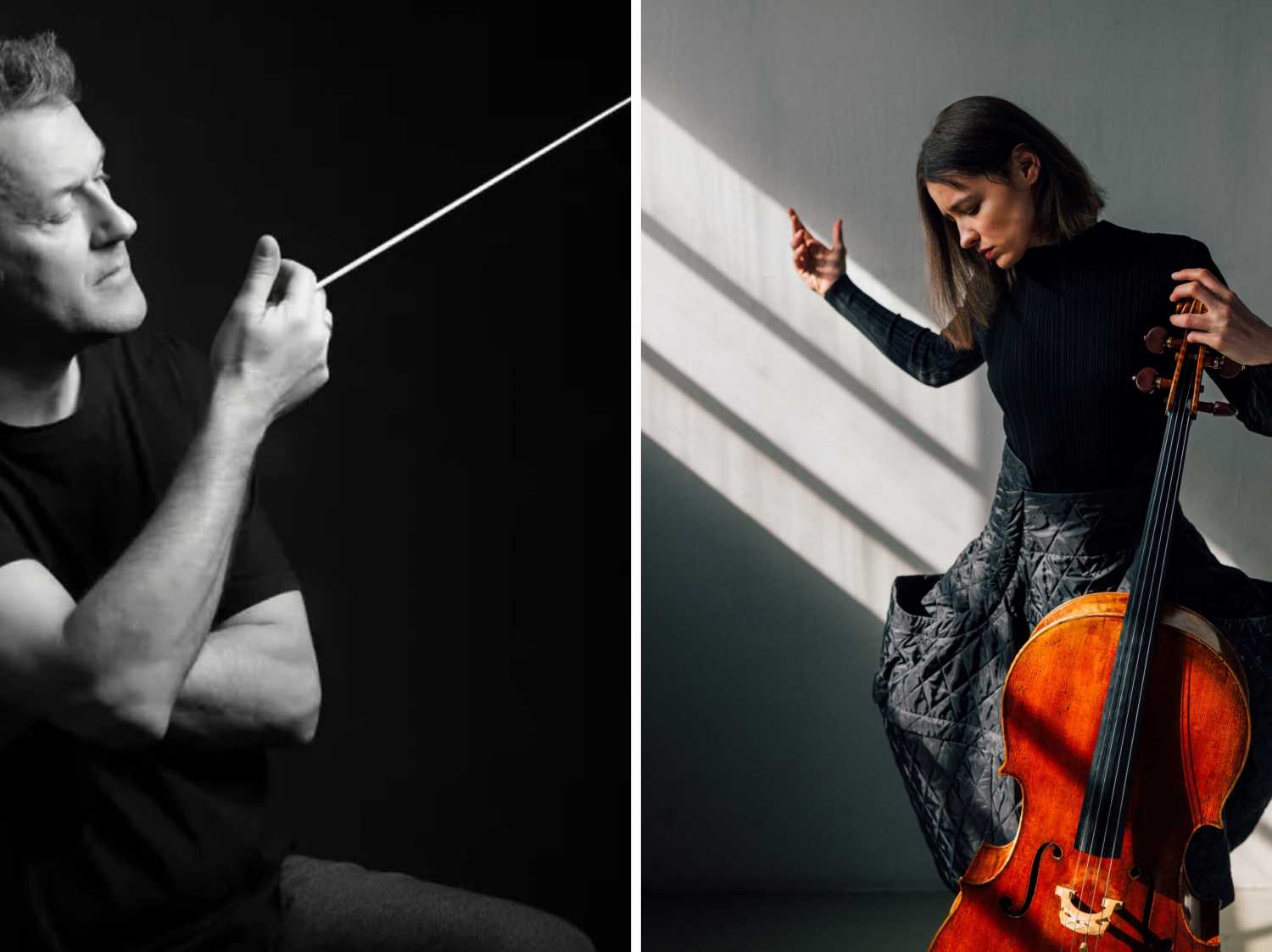
Poschner, Kobekina / Weinberg, Korngold
ORF Radio Symphonie Orchester - Wiener Konzerthaus
Program Info:
Comedy, Romanticism and Social Criticism
Tear in the buttonhole
Calm, noble, wistful, the cantilena of the violoncello flows over the uniform stride of the strings – but soon small, painful rebelliousness mingles with the melody: a kind of funeral march in which the tears are supposed to remain hidden, but still come through.
This is how the cello concerto by Mieczysław Weinberg, who was born in Warsaw in 1919, begins – into a continent that was soon to be shaped by inhuman dictatorships and the Second World War. The young Weinberg managed to escape from the Nazis to the Soviet Union, where he later almost became a victim of Stalinism. The 29-year-old's cello concerto was written in 1948: a few years earlier, Weinberg had learned that his family had been murdered in the Shoah. Behind elegiac, lyrical sounds, folkloric allusions and musical verve that symbolize a new beginning, old pain and new fear are also palpable. Anastasia Kobekina is the soloist in this work composed for Mstislav Rostropovich.
In addition: Erich Wolfgang Korngold, 22 years older than Weinberg and born in Brno, at that time still part of the Danube Monarchy. A kind of mourning veil surrounds his "Symphony in F sharp", which was written almost at the same time as Weinberg's Cello Concerto. Over enigmatically shimmering harmonies, she sings of the painfully beautiful memory of something that may never have been – or should not have been. Shiny, the free play with tonal attractions! On the one hand, Viennese Modernism, on the other, the symphonic film music that Korngold ultimately invented – and in between, his expulsion by the Nazis. No wonder that it repeatedly sounds gloomy and threatening, this retrospective symphony, in which hymnal themes soar several times. Two confessional showpieces for the RSO and its chief conductor Markus Poschner.
Walter Weidringer
Mieczysław Weinberg: Konzert für Violoncello und Orchester, op. 43 (1948/1956)
Erich Wolfgang Korngold: Symphonie Fis op. 40 (1949-1952), uses themes from ELIZABETH & ESSEX and CAPTAIN BLOOD in its slow movement and a theme from KINGS ROW in the finale.
External links:
Last edited: 30 June 2026 - 09:04 hours